
Singapore has implemented a proactive strategy of engaging in bilateral and regional negotiations for free trade agreements with various economies. The primary goal is to expand Singapore's economic reach and provide preferential treatment, such as tariff-free access, to overseas markets. These markets include major economies like the United States, China, Japan, the European Union, and India.

In recent years, Singapore has further expanded its trade network with new agreements such as the Pacific Alliance–Singapore Free Trade Agreement, which entered into force in May 2025, offering expanded access to Latin American markets, including Chile and Peru. Additionally, Singapore signed a landmark Digital Trade Agreement with the European Union in May 2025, aimed at boosting cross-border digital commerce by establishing harmonized standards on data flows, e-signatures, and e-invoicing. The Mercosur–Singapore Free Trade Agreement, although not yet in force, is poised to eliminate tariffs on the vast majority of products between Singapore and South American markets over the coming years.
Due to its heavy reliance on trade, Singapore has consistently supported international initiatives aimed at reducing trade barriers. The country boasts one of the highest trade-to-GDP ratios globally, exceeding 300 percent.
Singapore’s merchandise trade remains robust in 2025, with total trade volume increasing by 4.9 percent year-on-year in the first quarter, supported by a 3.6 percent rise in exports. Non-oil exports, including electronics and pharmaceuticals, grew by 6.7 percent, while imports increased by 6.4 percent. In April 2025 alone, total trade surged by 14.7 percent compared to the previous year, highlighting strong international demand.
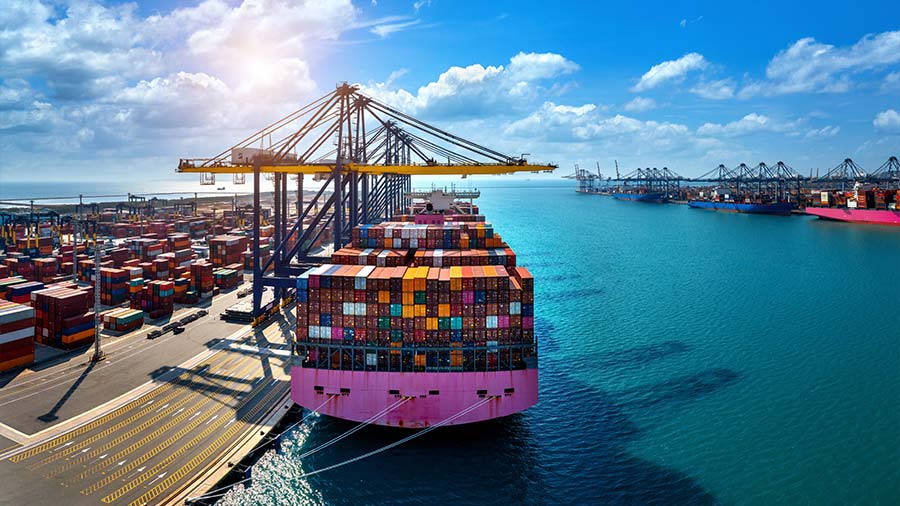
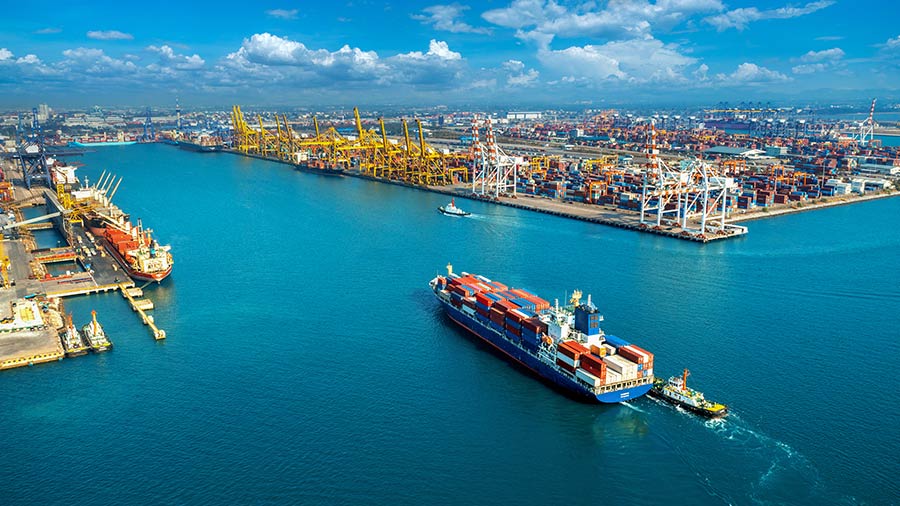
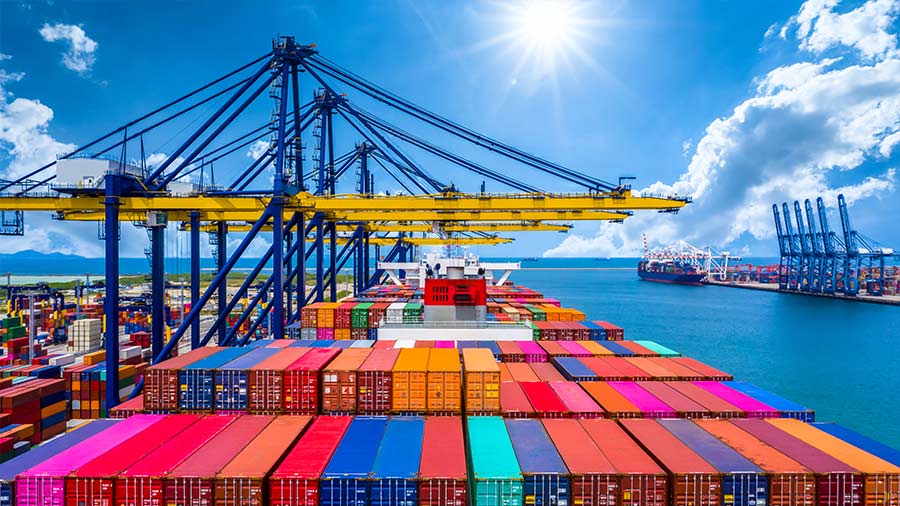
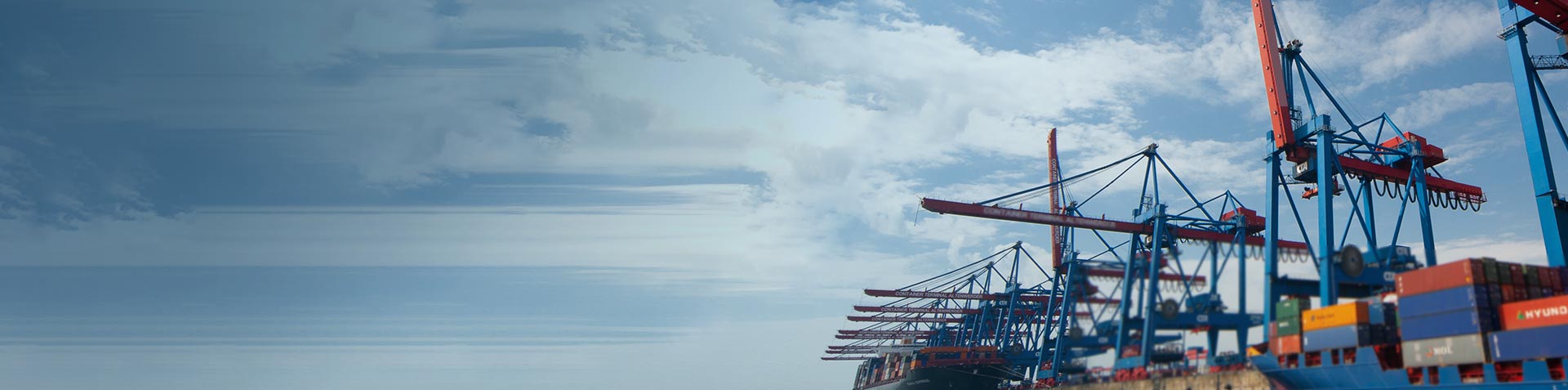
While Singapore's domestic market is relatively small, it has secured its place as the world's premier transshipment hub. The country's primary exports encompass electronics, pharmaceutical products, petroleum and mineral products, as well as industrial equipment. Singapore maintains a prominent position as one of Asia's largest trading hubs, with vital partnerships established along Asia-Europe shipping routes and robust feeder networks connecting smaller regional ports.
It handles a staggering volume of containers, with throughput rising by 6.1 percent in early 2025, and recorded approximately 37.3 million twenty-foot equivalent units (TEUs) of containers and over 626 million tons of cargo annually.
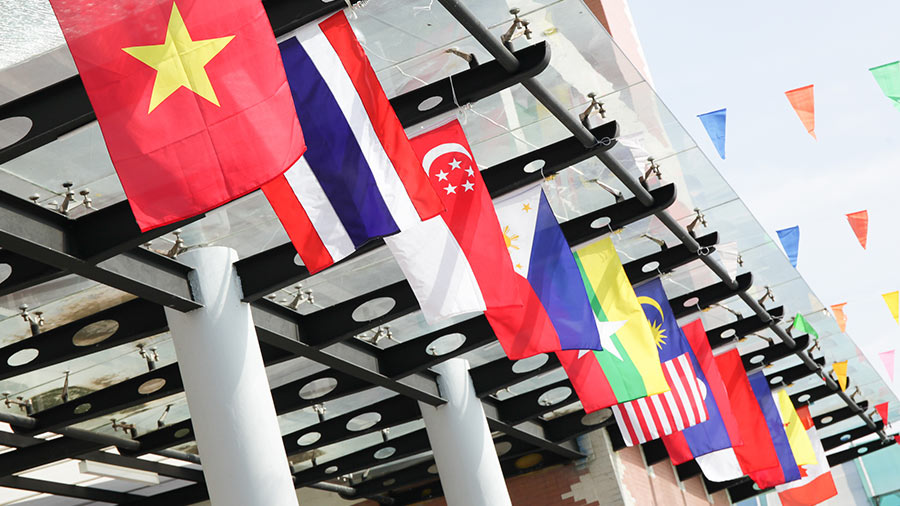
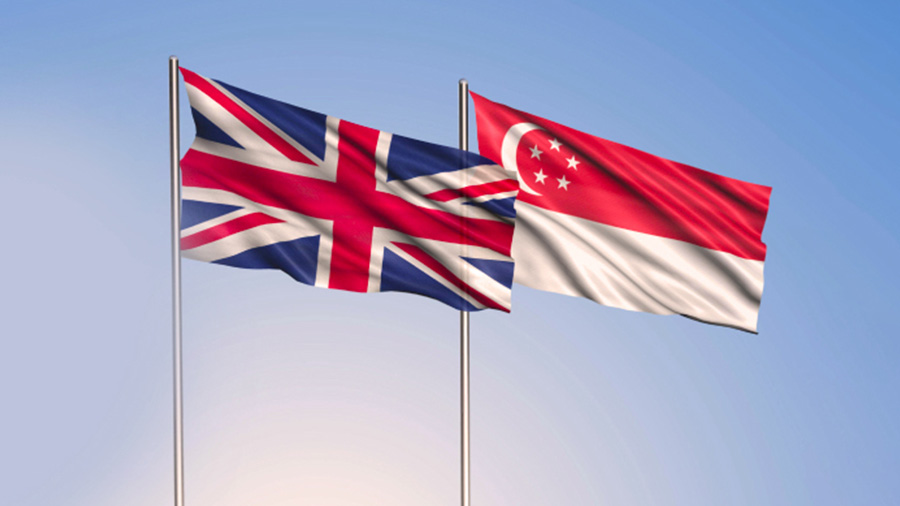
Singapore maintains strong diplomatic and economic ties with its Southeast Asian neighbors as an active member of the Association of Southeast Asian Nations (ASEAN). As a former British colony, it also enjoys membership in the Commonwealth and actively participates in the Five Power Defense Arrangements.