Other Briefings

GEO Marketing Is Rising Across ASEAN
GEO marketing is reshaping digital visibility across ASEAN as consumers increasingly use AI platforms to research brands, products, and services.

What Would an ASEAN-Canada Free Trade Agreement Mean for Foreign Investors?
The ASEAN-Canada Free Trade Agreement could reshape supply chains, market access, and investment decisions for foreign investors across Southeast Asia.

GCC–ASEAN Free Trade Talks: What a Deal Would Mean for UAE Businesses in Southeast Asia
ASEAN and the GCC are studying a bloc-to-bloc free trade agreement, and the UAE (nearly half of GCC–ASEAN trade) has the most at stake. This guide explains what a deal would add beyond the UAE's existing CEPAs, which sectors gain most, and how businesses can prepare before any text exists.

Using a UAE Holding Company to Invest in Asia: A Guide for GCC-Based Investors
As GCC capital flows increasingly toward India, ASEAN, Singapore, and Hong Kong, UAE holding companies are emerging as a strategic structure for Asia-focused investment. This article examines how treaty access, tax efficiency, substance, succession planning, and exit mechanics can shape returns for Gulf-based investors.

Thai Investment in Vietnam: Key Investors, Growth Sectors, and Market Entry Strategies in 2026
Thailand is Vietnam’s second-largest ASEAN investor, with US$15.4 billion in registered capital. Explore leading Thai investors, priority sectors, market entry strategies, and opportunities for businesses entering Vietnam in 2026.

How Singapore's Double Taxation Agreements Can Reduce Withholding Taxes on Cross-Border Investments
Singapore's tax treaty network may reduce withholding taxes on dividend, interest, and royalty payments, helping investors optimize holding company structures, financing arrangements, and intellectual property strategies across ASEAN.

Using a Singapore-Based Virtual CFO to Manage ASEAN Subsidiaries
Learn how a Singapore-based Virtual CFO can help foreign investors manage ASEAN subsidiaries, improve financial visibility, and support regional operations.
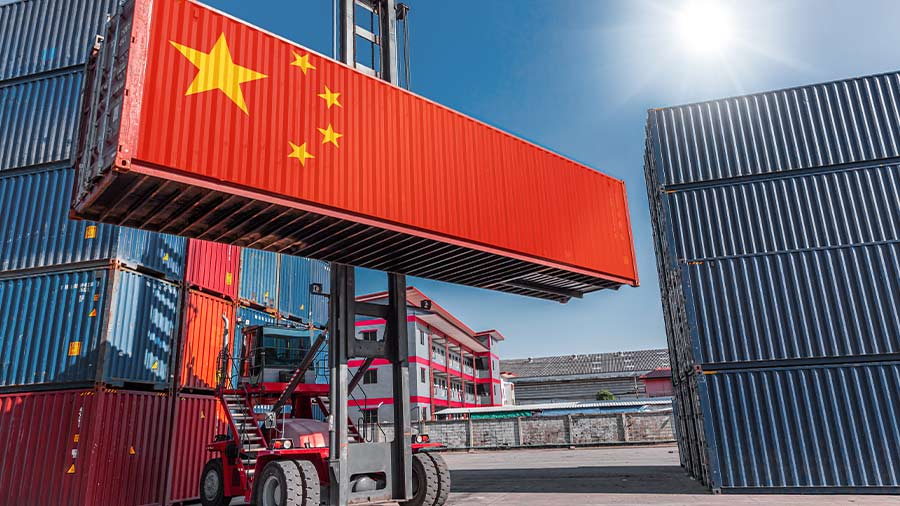
China’s Export in January-April 2026: Supply-Chain Implications for Foreign Companies
China’s January-April 2026 export data point to strong growth, advanced manufacturing gains, deeper ASEAN ties, and rising origin-compliance risks.

When Should Foreign Companies Hire a Virtual CFO in Singapore?
Determine when a Virtual CFO becomes necessary in Singapore for regional expansion, treasury management, investor reporting, governance, and transaction readiness across ASEAN operations.

Corporate Tax Considerations for Foreign-Owned Companies in Malaysia
Malaysia’s corporate tax framework affects profitability, repatriation efficiency, transfer pricing exposure, incentive eligibility, and long-term ASEAN expansion planning for foreign-owned companies.

Why Foreign Investors Are Using Virtual CFO Services in Singapore for ASEAN Expansion
Singapore-based virtual CFO services help foreign investors manage ASEAN expansion through centralized reporting, treasury coordination, regional financial oversight, and scalable cross-border finance support.

Expanding Across ASEAN: Market Entry and Regional Structuring Strategies for Australian Firms
Expanding into ASEAN? This guide explains how Australian firms can structure regional operations, select priority markets, and manage multi-country expansion across Southeast Asia.

Singapore as ASEAN’s Logistics Hub: Warehousing, Trade Facilitation, and Investment Opportunities
Not sure if Singapore is worth it? Assess logistics costs, trade benefits, and the right ASEAN structure for your business.

ASEAN’s LNG Export Leaders: Investment and Energy Trade Opportunities in Malaysia and Indonesia
Foreign investors are exploring LNG opportunities in Malaysia and Indonesia as new gas discoveries and major projects reshape Southeast Asia’s energy trade.

How Middle East Energy Disruptions Could Reshape Investment Planning in ASEAN
Renewed volatility in global energy markets and shipping routes is prompting investors to reassess supply chain resilience, operating costs, and market entry strategies across ASEAN.

China’s New International Land-Sea Corridor: Implications for Supply Chains and ASEAN Trade
China’s New Land-Sea Corridor is becoming a commercially scalable route linking inland provinces with ASEAN and global markets. With rising cargo volumes and new policy support, the corridor offers businesses fresh opportunities for pilot shipments, financing improvements, and supply-chain diversification.

Asia Manufacturing Index: Malaysia Places Second Among ASEAN Economies
Malaysia ranks second among ASEAN economies in the 2026 Asia Manufacturing Index, which compares manufacturing-related indicators across 11 Asian countries.
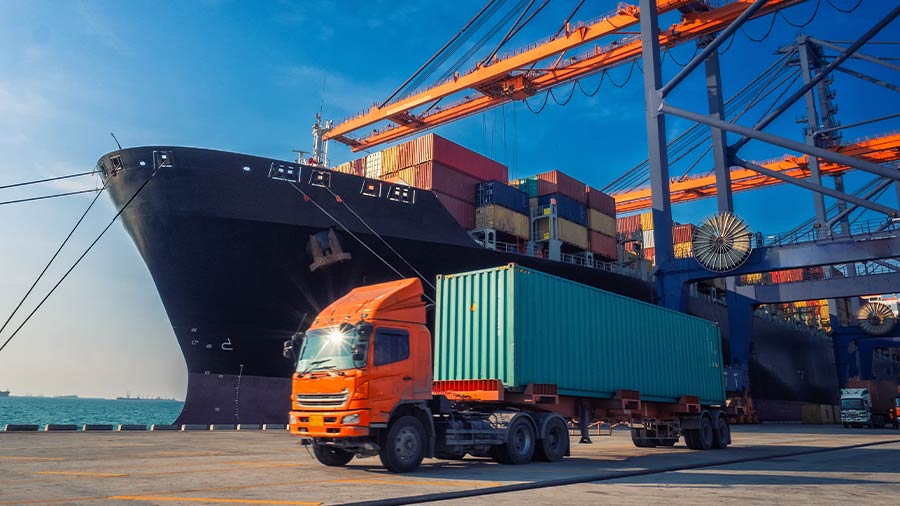
Using Business Intelligence to Evaluate Logistics and Port Connectivity in Indonesia
Indonesia’s logistics and port connectivity are assessed in terms of hub capacity, reliability, last-mile delivery constraints, and ASEAN positioning.

An Introduction to Doing Business in ASEAN 2026 – New Publication from Dezan Shira & Associates
An Introduction to Doing Business in ASEAN 2026 covers market entry, tax, HR & payroll, and audit & compliance considerations.

Using BI to Benchmark Consumer Markets in ASEAN with a Focus on Indonesia
A BI-led framework for benchmarking ASEAN consumer markets and understanding Indonesia’s true demand depth.