Other Briefings
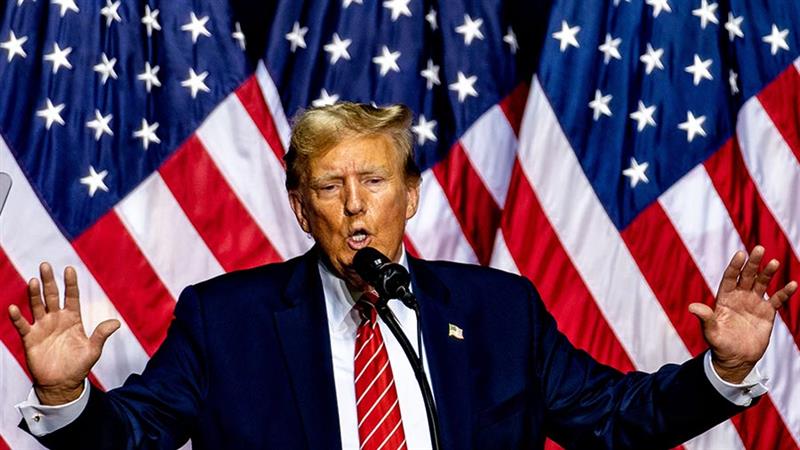
US-China Relations in the Trump 2.0 Era: A Timeline
On March 23, 2026, the US Federal Communications Commission updated its Covered List to include foreign-made consumer routers, preventing new models from receiving FCC equipment authorization and thereby banning them from being imported or sold in the US.

US Imposes Section 301 Tariff on Vietnam: Key Measures and Business Implications
The US has imposed a 12.5-percent Section 301 tariff on Vietnamese imports, with product-specific exemptions. Learn what the new measures mean for exporters.
US Imposes Section 301 Tariff on Vietnam: Key Measures and Business Implications
The US has imposed a 12.5-percent Section 301 tariff on Vietnamese imports, with product-specific exemptions. Learn what the new measures mean for exporters.

Breaking Down the US-China Trade Tariffs: What's in Effect Now?
The current landscape of US-China tariff rates is complex, with multiple overlapping trade measures in effect. This article explains which tariffs apply in 2025 and how they intersect.
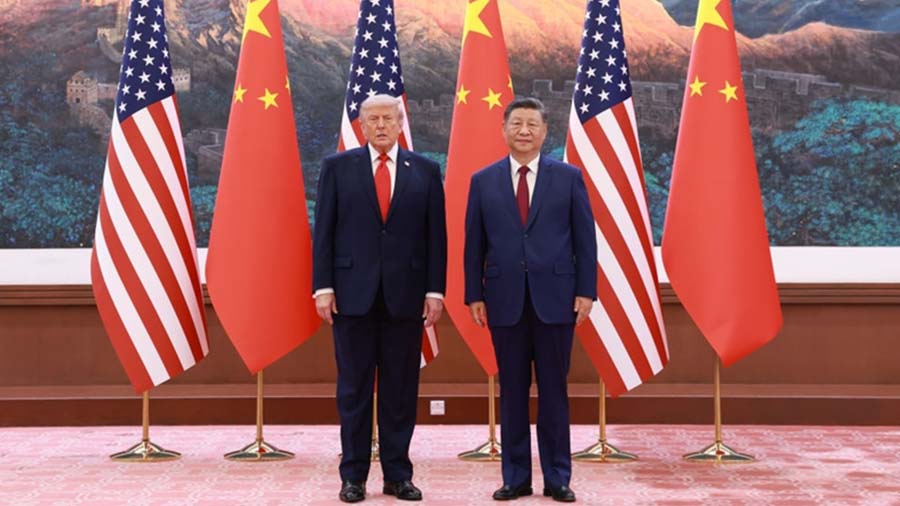
The Xi-Trump Summit: What Was Agreed—and What Was Not
While the long-awaited summit failed to meet its loftiest goal of extending the tariff truce, the two sides nonetheless made important inroads in resolving key areas of disagreement.
Trump in Beijing – What Can Businesses Expect from the Meetings?
With tariffs, rare earths, and commercial deals all on the table, here are the key questions businesses are asking amid the Trump-Xi summit – and what outcomes are most likely to matter for cross-border operations.

Vietnam’s Wood Industry in 2026: Navigating Challenges and Seizing New Opportunities
Vietnam’s wood industry is a cornerstone of its export economy, consistently ranking among the top five contributors to national export earnings.

US Supreme Court Blocks Trump's Tariffs: Implications for Vietnam–US Trade and Businesses
The US Supreme Court has ruled that reciprocal tariffs imposed under the IEEPA were unlawful, reshaping the legal framework underpinning recent US trade measures.

US Tariff Twists: Where Does India Stand and How Will Exporters Get Impacted?
With the US Supreme Court tariff ruling, followed by new solar import duties of 125.87 percent on Indian exporters, India-US trade dynamics are being reshaped, prompting exporters and investors to reassess pricing strategies, supply chains, and tariff risk exposure.

US Supreme Court Strikes Down Trump’s Tariffs: Implications for Gulf Trade and Business
The US Supreme Court struck down the legal basis of Trump’s tariffs regime, with implications for trade and business in the MENA markets.
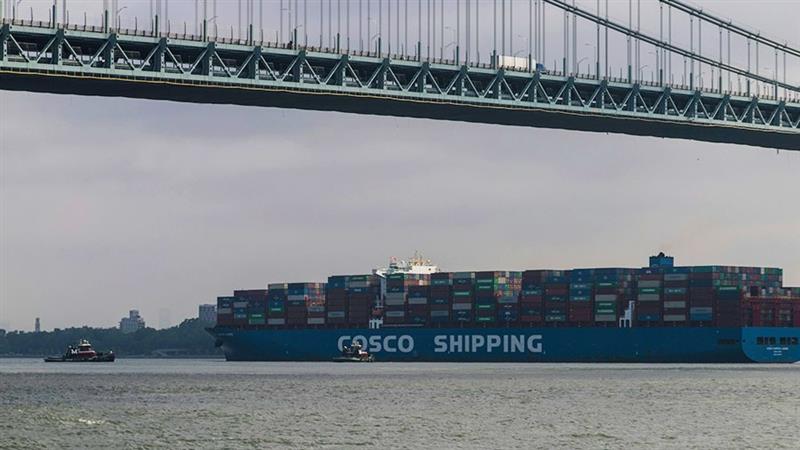
US Supreme Court Strikes Down Trump’s Tariffs – What it Means for the US-China Détente
The court's decision curtails executive overreach in trade policy and could create a more stable tariff environment for businesses, but calls into question the the terms of the US-China trade agreement negotiated under the pretext of now-voided duties.
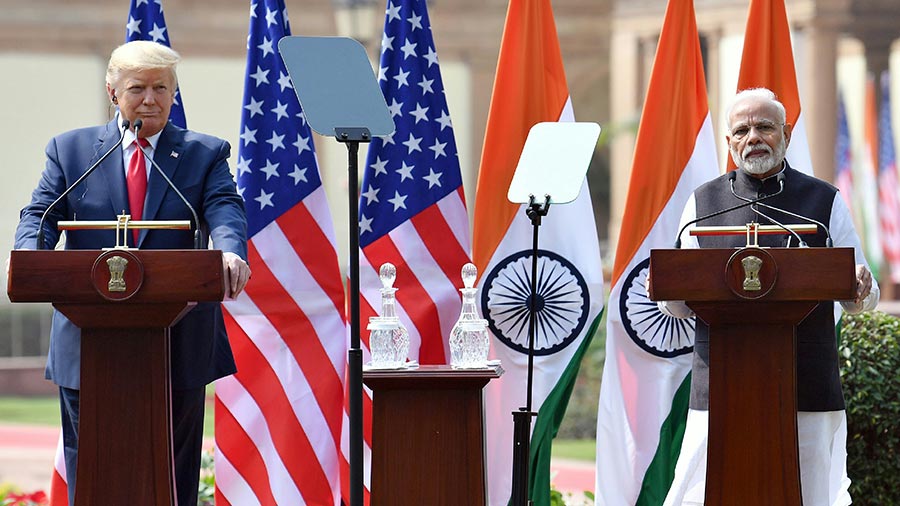
After 10 Months of Tariff Deadlock, US and India Find Common Ground on Trade
The White House has revised its February 2026 factsheet on the interim India-US trade framework, softening procurement language from “committed” to “intends” regarding over US$500 billion in US goods.

DEZAN SHIRA & ASSOCIATES
Meet the firm behind our content. Visit their website to see how their services can help your business succeed.
About Us Find an Advisor
Want the Latest Sent to Your Inbox?
Subscribing grants you this, plus free access to our articles and magazines.
SUBSCRIBEGet free access to our subscriptions and publications
Subscribe to receive weekly ASEAN Briefing news updates, our latest doing business publications, and access to our Asia archives.
Sign Up Now