Other Briefings
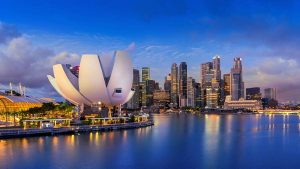
Singapore Company Registration in 2027: Requirements, Costs and Timeline
Singapore company registration in 2027 involves foreign ownership rules, director requirements, incorporation procedures, government fees, and processing timelines.

How to Set Up a Company in Singapore in 5 Steps
Set up a company in Singapore in five steps, covering business structures, registration requirements, incorporation costs, banking, and compliance.

Can a Singapore Company Carry Forward Tax Losses?
Singapore companies can carry forward unused tax losses to offset future taxable income, subject to IRAS conditions. Find out the eligibility requirements and restrictions.

Malaysia’s Budget 2027: Key Tax and Investment Changes for Foreign Investors
Malaysia’s Budget 2027 introduces tax incentives, investment opportunities, and employment changes affecting foreign investors and businesses.

Which Business Expenses Are Not Tax-Deductible in Thailand?
Identify non-deductible business expenses in Thailand, including deduction limits, related-party payments, and corporate income tax compliance requirements.

ASEAN’s Digital Economy Framework Agreement (DEFA): What Foreign Businesses Should Know
ASEAN’s Digital Economy Framework Agreement (DEFA) could reshape digital trade, data transfers, and payments. Assess the implications for foreign businesses.
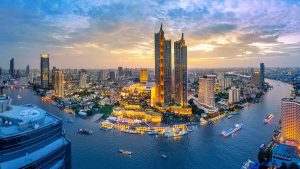
Transferring Shares in a Thai Company: Rules for Foreign Shareholders
Foreign investors transferring shares in a Thai company must comply with ownership restrictions, legal procedures, and tax requirements.

PT PMA or Sector-Specific Entity: Which Structure Should Foreign Investors Choose in Indonesia?
Foreign investors in Indonesia must assess PT PMA structures, sector-specific licensing, ownership restrictions, and capital requirements before market entry.

Is a Foreign Company in Malaysia Allowed to Prepare Its Accounts in a Foreign Currency?
Foreign companies in Malaysia may use foreign currencies for accounting but must meet local financial reporting and corporate tax requirements.

What Is the Minimum Capital Required for a Foreign-Owned Company in the Philippines?
Foreign investors in the Philippines face different minimum capital requirements depending on ownership, business activities, and export status.