Other Briefings

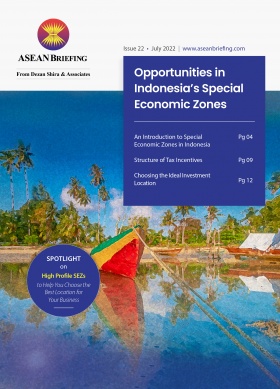
Should Foreign Companies Use a PEO Before Establishing a PT PMA in Indonesia?
Planning to enter Indonesia? Compare PEO and PT PMA structures to determine the most efficient path for hiring staff, testing the market, and building long-term operations.

Corporate Tax Considerations for Foreign-Owned Companies in Malaysia
Malaysia’s corporate tax framework affects profitability, repatriation efficiency, transfer pricing exposure, incentive eligibility, and long-term ASEAN expansion planning for foreign-owned companies.

Transfer Pricing and Related-Party Transaction Strategies for Foreign Investors in Malaysia
Explore transfer pricing structures, documentation requirements, royalty payments, intercompany financing, and IRBM compliance risks for foreign-owned companies operating in Malaysia.

Using Nominee Directors in Singapore for Foreign-Owned Companies
Foreign investors using nominee directors in Singapore must navigate banking scrutiny, tax substance rules, governance exposure, and resident director compliance requirements.

How Foreign Investors Should Structure Company Formation in Singapore
Foreign investors establishing a company in Singapore must structure name reservation, paid-up capital, and constitution requirements carefully to support banking, licensing, and long-term operations.

Why Foreign Investors Are Using Virtual CFO Services in Singapore for ASEAN Expansion
Singapore-based virtual CFO services help foreign investors manage ASEAN expansion through centralized reporting, treasury coordination, regional financial oversight, and scalable cross-border finance support.

How Singapore’s Financial Reporting Framework Aligns with IFRS
Foreign investors establishing operations in Singapore must structure accounting, audit, tax, and financial reporting systems to support compliance, financing, and regional expansion.

Thailand’s Foreign Business Act Reform Reduces Licensing Barriers for Selected Foreign Investors
Thailand is removing Foreign Business License requirements for selected regulated sectors, potentially reducing market-entry delays and licensing complexity for foreign investors operating in Thailand.

How Geopolitical Uncertainty Is Increasing Demand for Malaysian Bonds
Foreign investors are increasing exposure to Malaysian bonds as stable inflation, stronger external balances, and ringgit stability strengthen the country’s position within Asian debt markets.
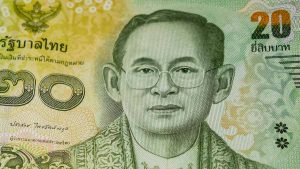
Thailand Minimum Capital Requirements for Foreign Investors: What Determines Your Investment Threshold?
Foreign investors entering Thailand may face different minimum capital requirements depending on ownership structure, work permits, BOI promotion, and regulated business activities.